March 2026: Exploring the power of Data-Driven Learning in disciplinary literacy
What is Data-Driven Learning (DDL)?
Data-Driven Learning (DDL) has increasingly become a valuable approach in language and literacy education, offering students opportunities to discover patterns in authentic language use through the exploration of large collections of digital texts (i.e. corpora). Rather than being passive recipients of knowledge, learners actively interrogate real examples of language drawn from subject specific texts. This hands-on engagement helps them notice how words, phrases, and structures behave across different disciplinary contexts, which equips them with strategies for becoming more autonomous writers.
How can DDL benefit learners?
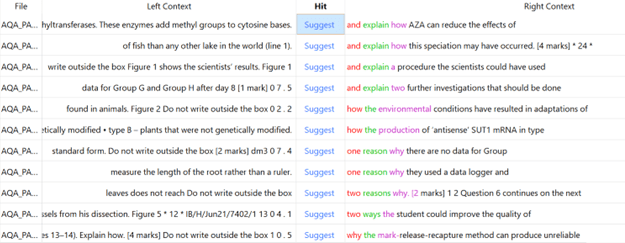
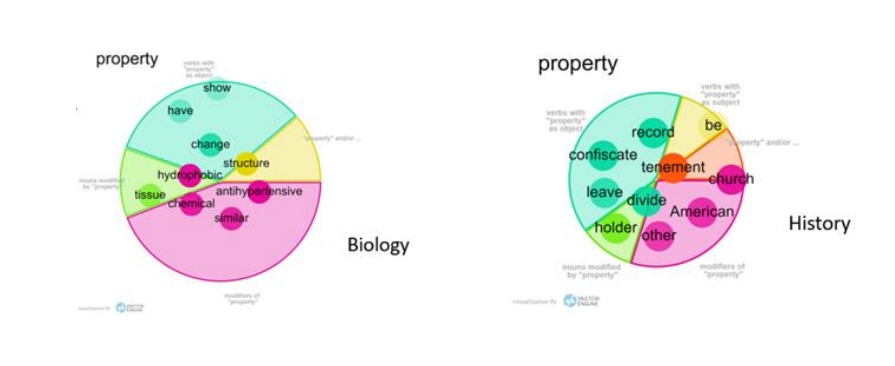
In secondary schools, DDL offers particular promise for strengthening disciplinary literacy. Each subject – whether science, history or mathematics – has its own specialised ways of using language. These linguistic choices shape how knowledge is constructed and communicated within a discipline. By integrating corpus-based methods into classroom practice, teachers can help students make these features visible in their writing. For example, comparing vocabulary patterns in Biology versus History (see Figure 1 below) can illuminate how meaning shifts across subjects, while exploring command words in exam items (see Figure 2 below) can demystify the language of assessment.
Figure 1: Meanings across subjects
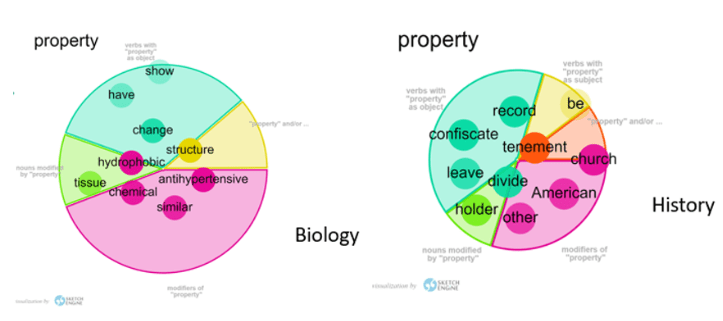
Figure 2: Command words in Biology AQA exam:
Where can I learn more about DDL?
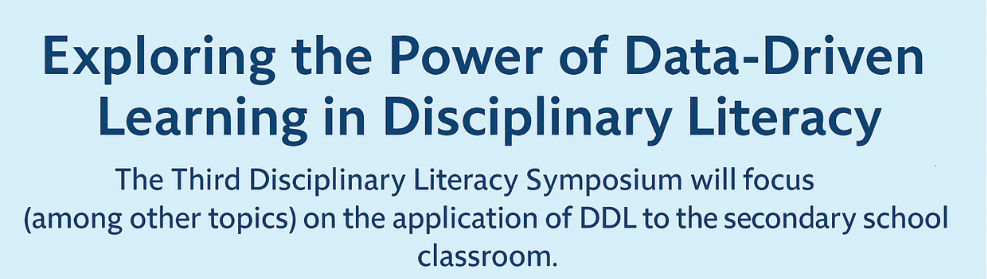
As part of the BAWESS project, we are excited to extend conversations around DDL’s role in disciplinary literacy at our Third Disciplinary Literacy Symposium. This year’s symposium will focus, among other themes, on the practical application of DDL in secondary classrooms. We aim to bring together teachers, researchers, and practitioners interested in bridging linguistic research with real-world educational practice.

To support teachers who want to experiment with corpus-based pedagogy, the BAWESS research team will also be offering a series of workshops, including:
- Introducing Data Driven Learning and Corpus-Based Pedagogy
- Words and Meanings: Helping Students Navigate Vocabulary in Different Subjects
- Command Words in Exam Questions: Decoding Exam Language Across Disciplines
- Self-Directed Hands-On Corpus Exploration
These workshops are designed to be accessible to participants with no prior experience of corpus linguistics. We warmly invite you to join us, share your experiences, and explore how DDL can support students in making sense of the language of the curriculum.
More information about the symposium and registration details can be found here.
For more information about the BAWESS project and how you and your school can get involved, follow the link to our project website here, or email the team on bawess@bath.ac.uk
February 2026: Methodological approaches to analysing student writing
The aims of the BAWESS project are nothing if not ambitious. With the help of our many fantastic participating schools, we are collecting thousands of examples of secondary school student writing, transcribing them into a digital database (‘The BAWESS Corpus’) of over one-million words in size. We will soon start analysing the data to find out what quality academic writing looks like across disciplines.
But how do you go about analysing one million words of student writing? What are the approaches and tools available to researchers to take on such a daunting task? To gain in-depth understanding of students’ disciplinary literacy on such a large scale, there is both a ‘broad’, quantitative approach and a ‘deep’, qualitative approach available to researchers. Here, we give an outline of these two options:
Corpus Linguistics: A broad, quantitative approach to analysing large sets of textual data. Corpus linguistics is a methodological approach to analysing language that uses specialist computer software to explore large amounts of linguistic data. By combining texts into a digitised corpus, researchers can identify the frequencies and patterns of words, phrases and grammatical structures present. It also allows the comparison of how these frequencies and patterns might be similar or vary between different types of writing (e.g., science writing vs history writing), or how student writing develops over time (such as GCSE writing to A level writing).
The pedagogical benefit of a corpus-assisted approach to student writing is that it allows researchers to identify issues such as common errors, vocabulary range and how students express stance and structure arguments across various disciplines and stages of writing development.
Ultimately, a corpus-assisted approach to analysing student writing provides rigorous, measurable and evidence-based findings which arise from real-life examples.
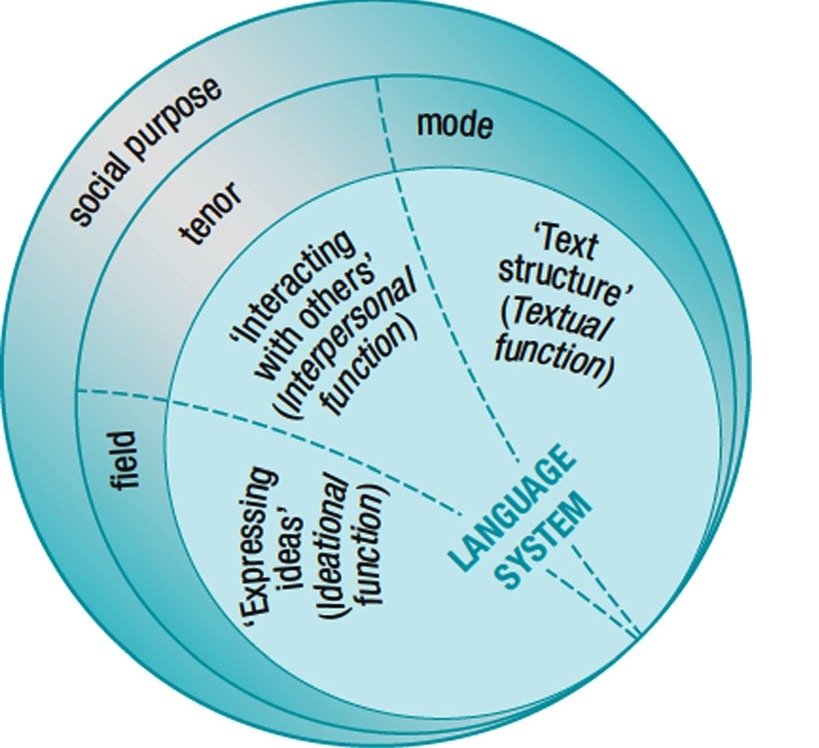
Systemic Functional Linguistics: A deep, qualitative dive into how language is used to make meaning at the level of the individual text and the patterns that exist across texts. Systemic Functional Linguistics (SFL) is a comprehensive theory which views language as a system of choices used by people to make meaning in context in order to achieve a communicative goal. SFL analyses are based around three principal aspects of language:
- Ideational – how language represents ideas, content, and experience.
- Interpersonal – how language enacts relationships, stance, and attitude.
- Textual – how language creates coherent, well-organised texts.
SFL is widely used in education because it offers a clear, teachable way to understand writing quality. For example, it provides a framework to examine:
- The ideational aspect: how students express ideas, their use of appropriate processes (verbs), participants (nouns), and circumstances (adverbials).
- Interpersonal aspect: The students’ use of register, evaluation and formality, to engage with the intended reader/listener.
- The textual aspect: The students’ organisation of their written work, their use of cohesive devices and reference to link ideas, and how texts are structured according to their genres (e.g., argument, report, story).
Overall, SFL is a powerful tool for identifying strengths and weaknesses in student writing, and provides an instructional scaffold for teaching genre, grammar and cohesion effectively.
Methods, the BAWESS project and our 3rd Disciplinary Literacy symposium
We look forward to employing both the quantitative method of corpus linguistics and the qualitative method of SFL to our BAWESS corpus of texts to develop new insights into student writing at the secondary school level.
If you have found this summary interesting and would like to learn more about how your school can get involved with the project to contribute data and enjoy the benefits of partnership, follow the link to our project website here, or email the team on bawess@bath.ac.uk
If you would like to learn more about corpus linguistics, some prominent researchers employing this method to analysing student writing are Phil Durrant, Hilary Nesi and Dana Therova. Some well-known researchers who take an SFL approach to analysing student writing are Meg Gebhard, Gail Forey, and Maria Brisk. The University of Bath will be welcoming these experts, and many others, to talk at the 3rd Disciplinary Literacy symposium on the 17th and 18th of June. Follow the link here for more details and a full list of speakers on our university webpage. This is a hybrid event, with lunch and refreshments provided for in-person guests, and tickets starting from £25.
We look forward to welcoming you to Bath in June!
January 2026: Disciplinary Literacy and the National Curriculum

Every year, mock exams arrive like a tidal wave. Papers pile up, marking takes over your evenings, and the coffee machine becomes your closest colleague. It’s tempting to see mocks as just another assessment cycle to survive. But if you look closely, mock exam scripts offer some of the richest insights you’ll ever get into your students’ writing—and, by extension, their learning.
Recent developments in the National Curriculum have sharpened the focus on disciplinary literacy. Rather than treating literacy as a generic set of transferable skills, schools are encouraged to recognise that each subject has its own vocabulary, text types, grammatical patterns and ways of constructing knowledge.
In practice, this means asking questions such as:
- How does historical argument differ from scientific explanation?
- What does ‘good writing’ look like in geography compared to English?
- How do exam questions signal the kind of writing students are expected to produce?
Mock exams give us a great opportunity and empirical evidence to explore these questions.
What Mock Exams Reveal About Student Writing
Mock exam scripts give us an honest, unfiltered picture of what students know and how they write when no one is there to guide them. They reveal the habits students fall back on — from beautifully planned responses to stream‑of‑consciousness writing or forgetting to paragraph entirely. These scripts show how students interpret question prompts, use subject‑specific vocabulary, and express their knowledge under real pressure. When we look at these patterns across classes and schools, we gain the insight needed to design teaching approaches and resources that genuinely scaffold learning and help students become stronger, more confident writers.
Working With the BAWESS Team
This is where the BAWESS project comes in. Our current work focuses on investigating disciplinary literacy in exam years. By analysing authentic mock exam responses, we aim to:
- explore how writing differs across subjects and levels of study
- design practical, research-informed resources to support teachers
- develop strategies that can be embedded into everyday classroom practice
To do this well, we need your help!
🌟 Why Sharing Mock Exam Scripts Matters
— and Why Your Participation in the BAWESS Project Makes a Difference
Sharing your mock scripts BAWESS team will help all of us understand student writing more deeply — and it brings real benefits to the classroom, by providing:
- A clearer picture of writing challenges across subjects
See how your students’ writing compares with patterns emerging nationally.
- Insight into the real language demands of your subject
Help identify where students struggle with vocabulary, structure, or explanation — even when they know the content.
- Better tools and guidance for teaching writing
BAWESS uses real scripts to develop practical, ready‑to‑use strategies that feed directly back into teaching.
Your students’ work will be used solely for research and professional development purposes. In return, our findings will feed directly into:
- resources for teaching disciplinary writing
- CPD workshops for departments and schools
- guidance to support exam preparation across disciplines
At a time when workload pressures are high, this is a way to ensure that mock exams do more than generate grades. They can actively shape better teaching and learning. By sharing mock exam writing and engaging with our research, you can help us move towards that goal.
If you’d like to contribute or find out more about the project, please get in touch with the BAWESS team.
Information about how to get involved in the BAWESS project can be found here. Alternatively, you can complete this form, or contact us as bawess@bath.ac.uk.
December 2025: It’s mock exam time: how sharing your mock papers can help boost student success

As a teacher, you know that mock exams are more than just a rehearsal; they’re a vital checkpoint for students preparing for high-stakes assessments. They provide insight into what our learners are good at and what they need to work on.
But what if your mock exams could do even more?
Get involved in the Disciplinary literacy & corpus-based pedagogy: The BAWESS project!
The BAWESS research team are currently investigating disciplinary literacy in the exam years (GCSE, IGCSE, A Level and IB), and we’re inviting teachers to share your mock exam papers which we will digitise, analyse and share findings with you. By contributing, you’ll help advance our understanding of students’ use of language to demonstrate subject knowledge in these high-stakes exams.
Why get involved?
The BAWESS project will provide evidence-based insights into the language patterns in different disciplines and the writing development of your students’. We plan to work with teachers and the Education Endowment Foundation to share resources that identify common linguistic patterns across subjects.
What’s next?
Sharing your mock exam papers is simple, and the benefits are significant. You’ll gain access to findings that can inform your teaching practice and help your students succeed – not just in exams, but in mastering the language of your discipline.
What’s in it for me?
As part of the offer to schools supporting the project, we’re providing a series of CPD sessions designed to promote the teaching and learning of disciplinary literacy in secondary schools’ exam years.
Join us for our first workshop in the CPD series titled ‘Supporting students to know and write the genres of their subjects’ on Wednesday 21st January 4:00 – 5:00pm (UK time).
Ever wondered why students struggle to write confidently in your subject? It’s not just about spelling and grammar—every discipline has its own “language” and way of building knowledge. In this session, we’ll discuss what makes writing in science different from history, or how essays differ from reports and explanations. You’ll leave with practical strategies to help students tackle tricky subject-specific genres, so they can express their ideas clearly and succeed in your classroom. Whether you teach maths, English, geography, or beyond, this workshop will give you tools to make writing a powerful part of learning in your subject.
Click here to register.
Interested in getting involved?
Reach out to the BAWESS team today and be part of shaping the future of disciplinary literacy in secondary education.
Information about how to get involved in the BAWESS project can be found here. Alternatively, you can complete this form, or contact us as bawess@bath.ac.uk.
November 2025: Join us in celebrating National Linguistics Day
Linguistics isn’t just about grammar rules; it’s a gateway to understanding how we think, communicate, and connect in the world we live in. Every year on November 26th, educators and language enthusiasts come together to celebrate National Linguistics Day – a day dedicated to the scientific study of language and its impact on human interaction, culture, and society. For teachers and academics, this day offers a unique opportunity to introduce students to the interdisciplinary power of language and provide rich material for classroom discussion and critical thinking. This initiative aims to spark curiosity, especially among secondary school students and educators.
To celebrate National Linguistics Day, the BAWESS project team are providing a series of CPD sessions designed to promote the teaching and learning of disciplinary language in secondary schools exam years (GCSE, iGCSE, A Levels, IB).
Topics include:
- Supporting students to know and write the genres of their subjects: Explore how subject-specific language shapes meaning and supports learning.
- Moving students from spoken language to technical, written language: the register continuum: Learn how to scaffold students’ movement between every day and academic language.
- Unpacking command words in exams: Understand how key instructional words and phrases are used in exam questions across disciplines.
- Introducing Data-Driven Learning to support the development of disciplinary literacy: Discover how corpus-assisted approached to disciplinary literacy can inform your teaching practice.
Please register your interest by completing this form by 28th November 2025, and feel free to share this invitation with colleagues who may also be interested.
Information about how to get involved in the BAWESS project can be found here. Alternatively, you can complete this form, or contact us as bawess@bath.ac.uk.
October 2025: Reinvigorating Disciplinary Literacy: CPD Opportunities for the New Academic Year

As the academic year gains momentum and with the renewed 2025 Ofsted Framework, it’s vital to keep disciplinary literacy at the forefront of classroom practice. Beyond general literacy, disciplinary literacy equips students with the tools to think, read, and write like subject experts.
To support this, the BAWESS research team is offering a series of Continuing Professional Development (CPD) sessions for participating and interested schools. These practical workshops are designed to deepen understanding and enhance classroom strategies around language and literacy in subject teaching. The topics include:
– Supporting students to know and write the genres of their subjects: Explore how subject-specific language shapes meaning and supports learning
– Moving students from spoken language to technical, written language: the register continuum : Learn how to scaffold students’ movement between everyday and academic language
– Unpacking command words in exams : Understand how key instructional words and phrases are used in exam questions across disciplines
– Introducing Data-Driven Learning to support the development of disciplinary literacy: Discover how corpus-assisted approached to disciplinary literacy can inform your teaching practice
These sessions are grounded in our current research focusing on disciplinary literacy in exam years and offer practical insights for classroom application. Whether you’re looking to refine your approach or introduce new strategies, we’d love to collaborate with you.
If you’re interested in having us deliver one or more of these sessions at your school, please get in touch with us at bawess@bath.ac.uk or express your interest via this sign-up form.
Let’s work together to make disciplinary literacy a sustained and impactful part of every learner’s journey.
If you’re not involved in the BAWESS project and would like to take part, find out more about participating on our website, fill in this form or contact us at bawess@bath.ac.uk.
September 2025: Disciplinary Literacy: what we know, what we can do better and why it matters
As the new academic year gets underway, it’s the perfect time for schools to renew their focus on disciplinary literacy, referring to the specialised ways of reading, writing, and thinking that are unique to each subject. In science, it might mean interpreting data and writing lab reports; in history, it typically involves evaluating historical sources and constructing evidence-based arguments. Whether it’s interpreting historical sources, or analysing scientific data, by foregrounding disciplinary literacy teachers can help students develop the skills they need to think like subject specialists. And we know that students are better equipped to develop deeper understanding of specific subjects when they are explicitly taught how to navigate subject-specific literacies.
Many teachers are confident in their subject knowledge but may be less certain about how to teach the literacy of their discipline. To be better at it, we need to teach students how to engage with texts, vocabulary, and ways of reasoning that are specific to each subject area. There are resources such as the Teaching and Learning Toolkit designed by Education Endowment Foundation to give practical guidance on key areas for teaching and learning, which can help teachers identify the literacy features of their subjects and design instruction that makes these visible to students.
Our BAWESS research team is also working on developing materials to make it easier for teachers and students to engage with disciplinary literacy. Examples of the work we are currently doing include individual words and the different meanings and associations they carry across subjects, as can be seen from the examples below showing how ‘property’ behaves differently in Biology compared to History.
So why does this matter? Because literacy is a foundation for learning, and when students understand how to read and write in their disciplines, they gain access to knowledge and future opportunities. By embedding disciplinary literacy from the start of the year, we set the tone for a learning environment where all students can thrive.
Disciplinary literacy is the focus of the BAWESS project. If you’d like to get involved, find out more about participating on our website, fill it this form or contact us at bawess@bath.ac.uk.
August 2025: Challenges and solutions in collecting informed consent
Ethics lies at the heart of any research projects, and never more so than when research engages with members of the public, especially when working with school students and teachers. Accessing written texts from school students —both in the UK and abroad—requires informed consent from teachers, students, and, if the students are under 16, their parents/guardians as well.
Reaching large numbers of teachers, students and parents/guardians and asking them to read information sheets and sign consent forms can be a daunting task. Teachers frequently have excessive workloads, parents may be unaware of the project, and teenagers can usually think of more enjoyable ways of spending their free time than reading up on the finer points of research ethics!
Fortunately, there are several techniques which teachers and researchers are using to overcome this challenge and collect informed consent.
For example, to encourage participation from subject teachers, it can be helpful to:
- Highlight the benefits of participation, such as:
- Access to ‘Teacher Area’ on the Disciplinary Literacy website where we’ll be sharing teaching materials and resources
- Opportunities to co-create teaching resources with the BAWESS research team.
To encourage the involvement of students, we suggest making the consent process as accessible as possible by:
- Presenting QR codes linked to consent and information documents in assemblies
- Sharing QR these codes in class and reviewing the Participant Information Sheet together.
And to obtain the support of parents and guardians, schools and researchers can:
- Share QR codes during registration at the start of term
- Use existing school communication channels (e.g. parental portal)
- Offer parents a Q&A session with a member of the BAWESS research team
- Showcase positive outcomes to encourage participation, share similar research that has been conducted previously.
Mike Griffiths, Deputy Headteacher, Clarendon Academy, Trowbridge used these techniques, leading to the collection of over 500 consenting participants for the BAWESS project in just a few days – 400 students, 166 parents/guardians and 24 teachers. Congratulations Mike and all at Clarendon Academy, you’re our official informed consent champions!
The BAWESS team is always ready to assist with any aspect of the consent and data collection process. This includes online training sessions, in-person visits to schools to collect data, and the possibility of providing supply teacher cover to free up time for staff to participate in the project.
If your school is not yet participating in the BAWESS project and you would like to sign up, or just find out more information without any obligation to get further involved, please:
- Visit our university website: Disciplinary literacy & corpus-based pedagogy: The BAWESS project
- Email our team at: bawess@bath.ac.uk
- Sign up with your school’s details here.
July 2025: Highlights from our Disciplinary Literacy Symposium
On 26–27 June, we had the pleasure of welcoming a wonderful community of educators and researchers to the 2nd Disciplinary Literacy Symposium, held at Royal High School Bath and the University of Bath. It was deeply rewarding to see our vision come to life: a dynamic space to explore how language shapes learning across disciplines that fosters meaningful exchange between practical pedagogy and theoretical insight.
Teaching-focused sessions such as Cheers and colleagues’ “Towards a Disciplinary Literacy Approach” and Chen and colleagues’ “Transforming Disciplinary Literacy” were described as “inspiring and essential” by attendees. These presentations offered valuable strategies for embedding disciplinary literacy into classroom practice.
Equally compelling were the research-led talks. Nesi and Gardner’s “Five Educational Purposes Identified from the BAWE Corpus” and Matruglio’s “Deconstructing Disciplinary Disadvantage” demonstrated how corpus linguistics and systemic functional linguistics can shed light on the complexities of academic language and educational equity.
The symposium wasn’t just about presentations—it was a space for dialogue, collaboration, and new connections. Attendees left with fresh insights, practical tools, and a renewed sense of language and its role in disciplinary literacy.
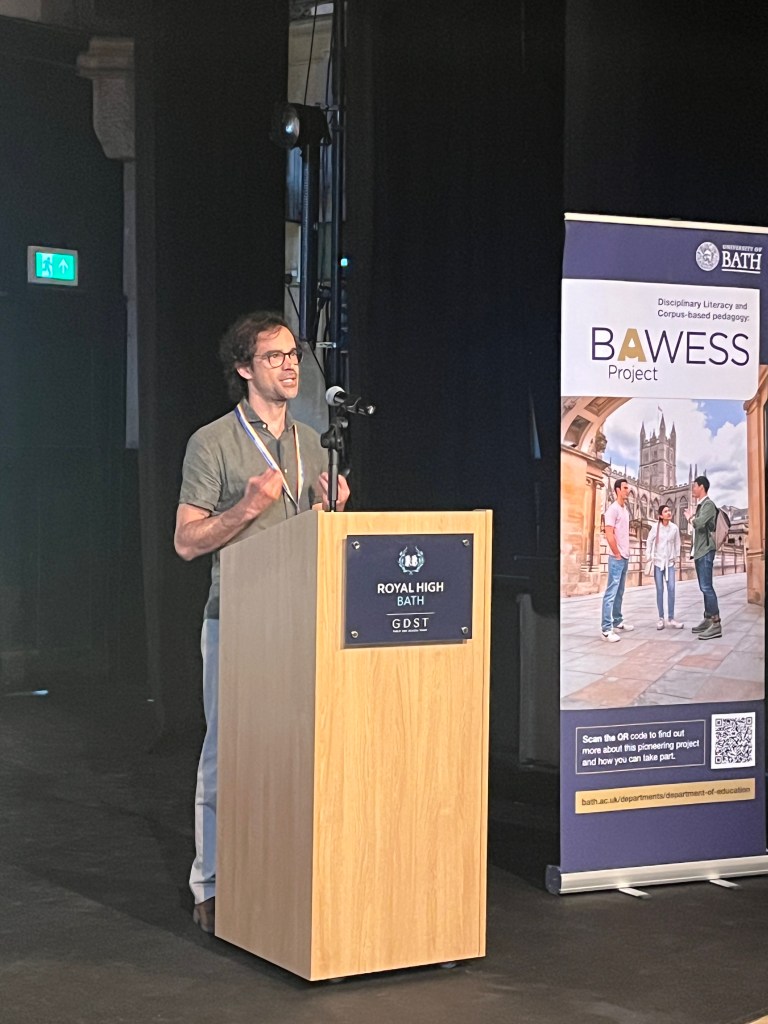
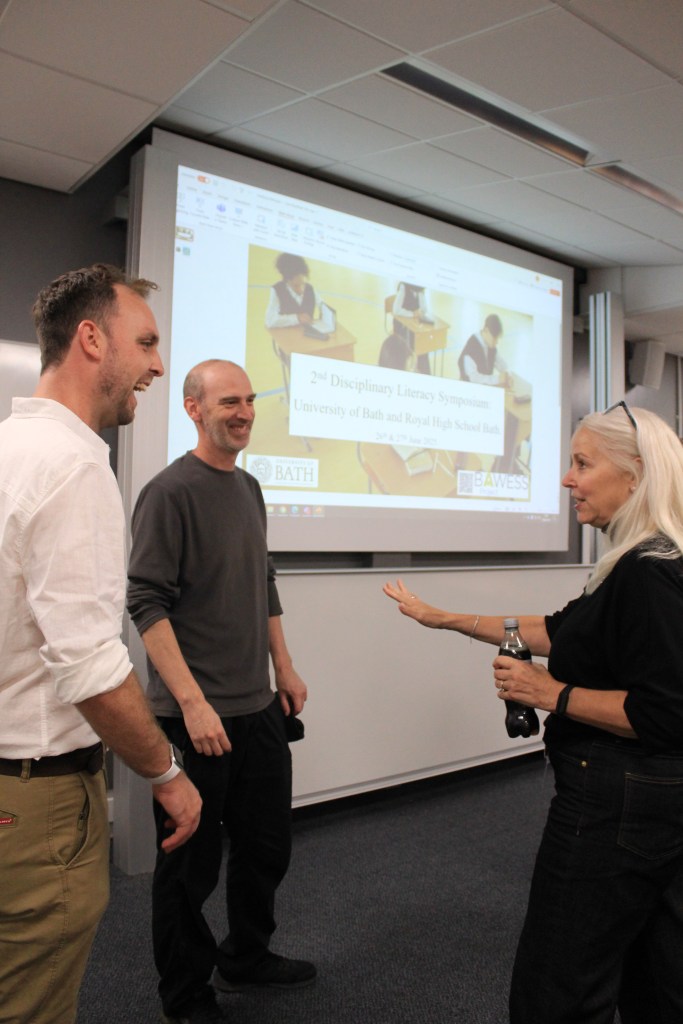
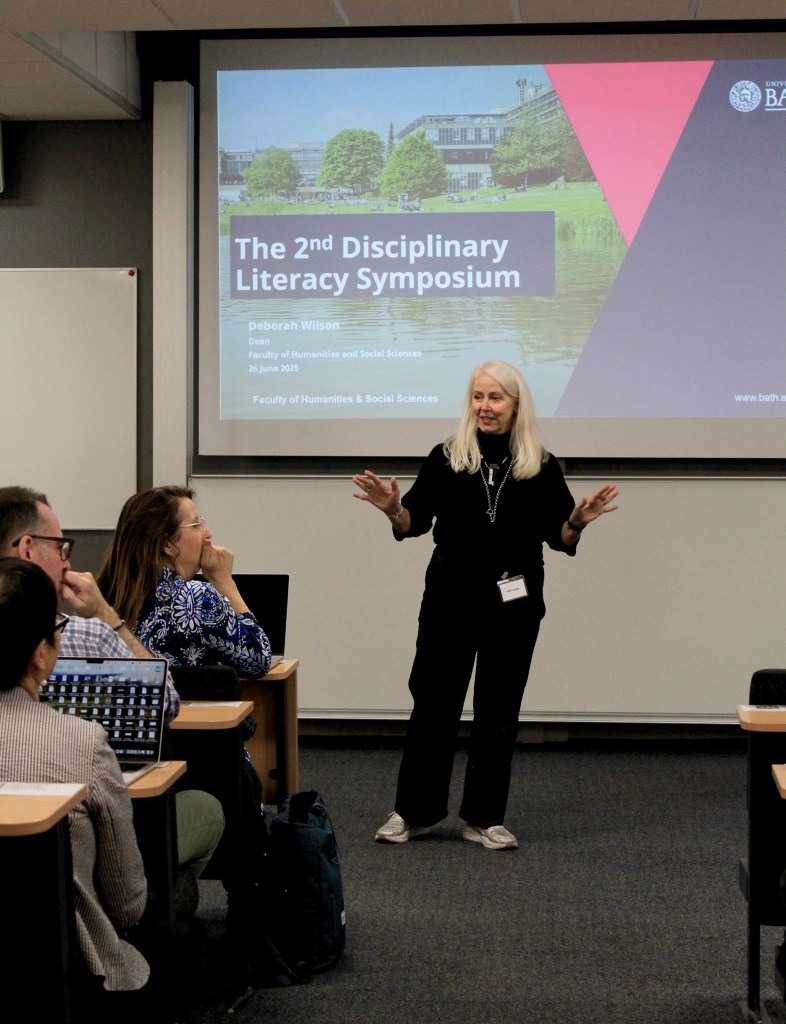

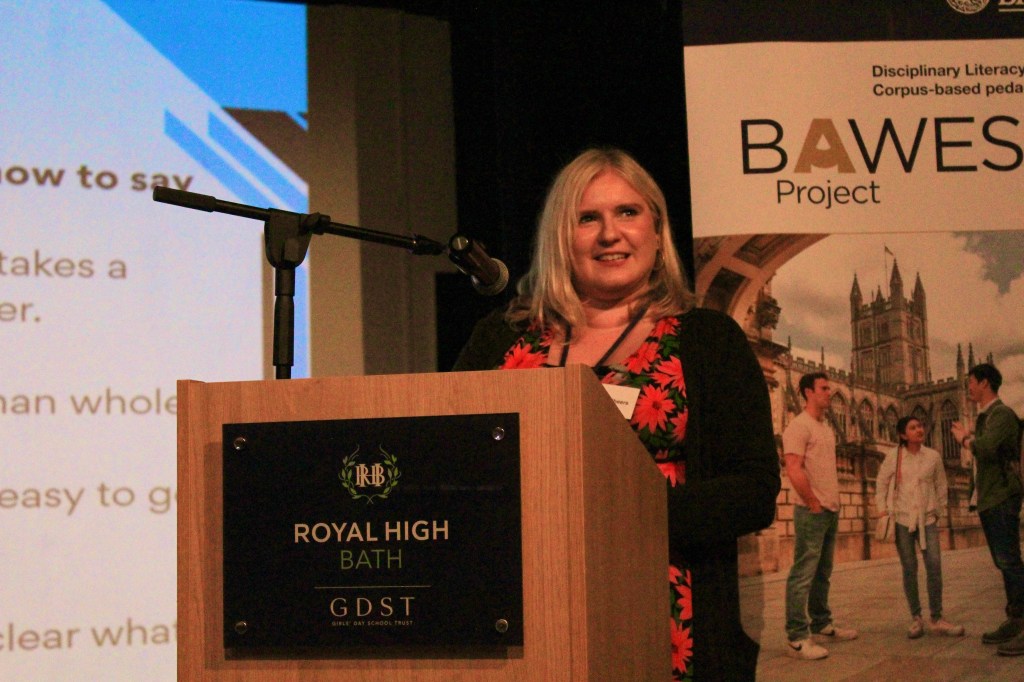
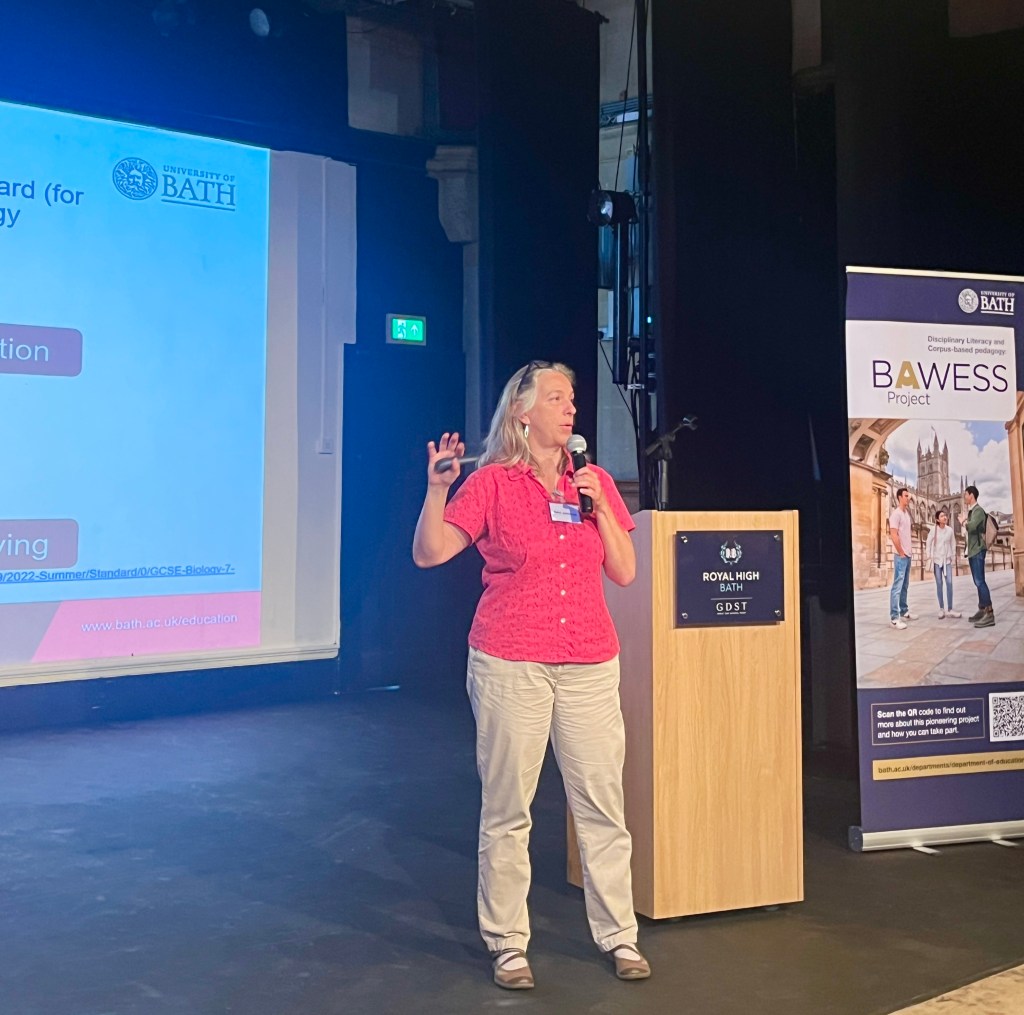
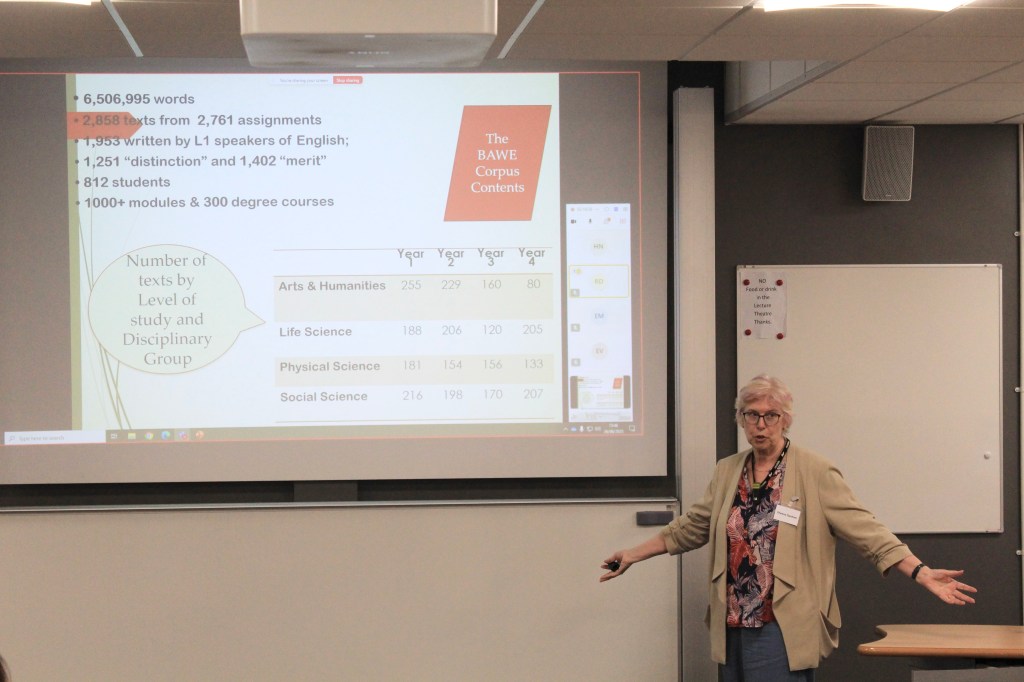

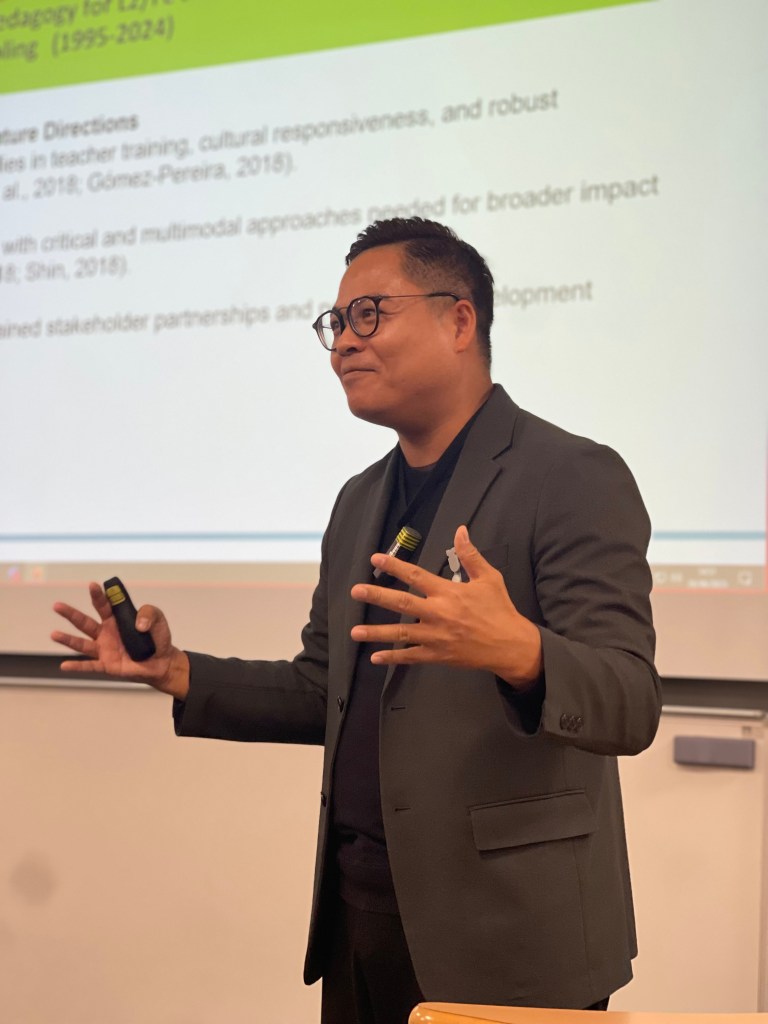
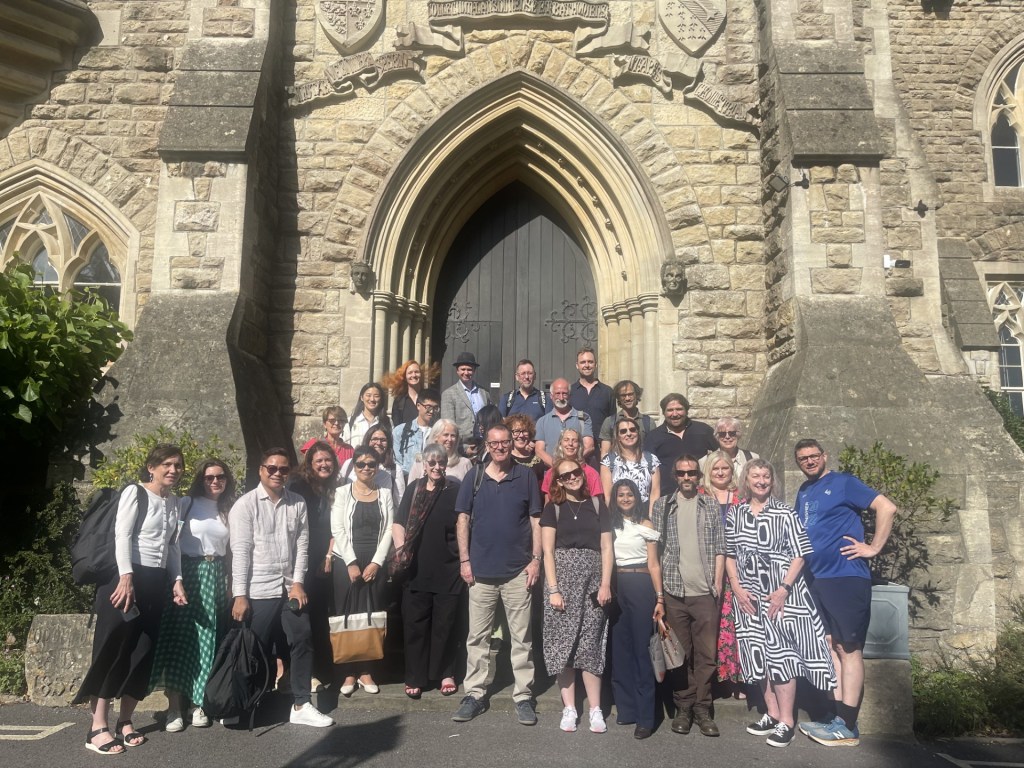
We extend our warm thanks to all speakers, attendees, assistants, and school staff who made the event such a success. The BAWESS team is already looking forward to welcoming you to the 3rd Disciplinary Literacy Symposium in 2026.
Coming soon: We’ll be sharing presentation slides and video highlights on this website. In the meantime, you can view the abstracts below. We are also excited to report that the Language and Literacy in Education Network (LLEN) headed by Bev Derewianka and colleagues is due to be launched shortly, with the goal of advancing “literacy and learning achievements of all students throughout the years of schooling and beyond”. More details can be found at their website.
***** Don’t forget, your school can sign up to participate in the BAWESS project and contribute to this landmark research. Full details can be found at the website information page here. You can register via the online form here, or email the team at bawess@bath.ac.uk for more details.*****
June 2025: Join one of our BAWESS Sessions for Schools this June!
Have you already met with a member of our research team to hear about the project and would like to find out about the next steps? Sign up for one of our three BAWESS Info Sessions for participating schools on 10th, 11th or 12th June 2025 to learn more about the data collection procedure and how we intend to use the collected texts. Sign up here or scan the QR code.
Not sure whether you want to take part in the Disciplinary literacy & corpus-based pedagogy: The BAWESS project? Come along to one of our BAWESS Recruitment Sessions on 16th or 18th June 2025 to learn more about the project, what participation involves, and what are the benefits of being involved. Meet the team and have your questions about the project answered. Sign up here or scan the QR code.

May 2025: The BAWESS Launch Info Session for Schools & The 2nd Disciplinary Literacy Symposium.
We have two exciting events happening soon:
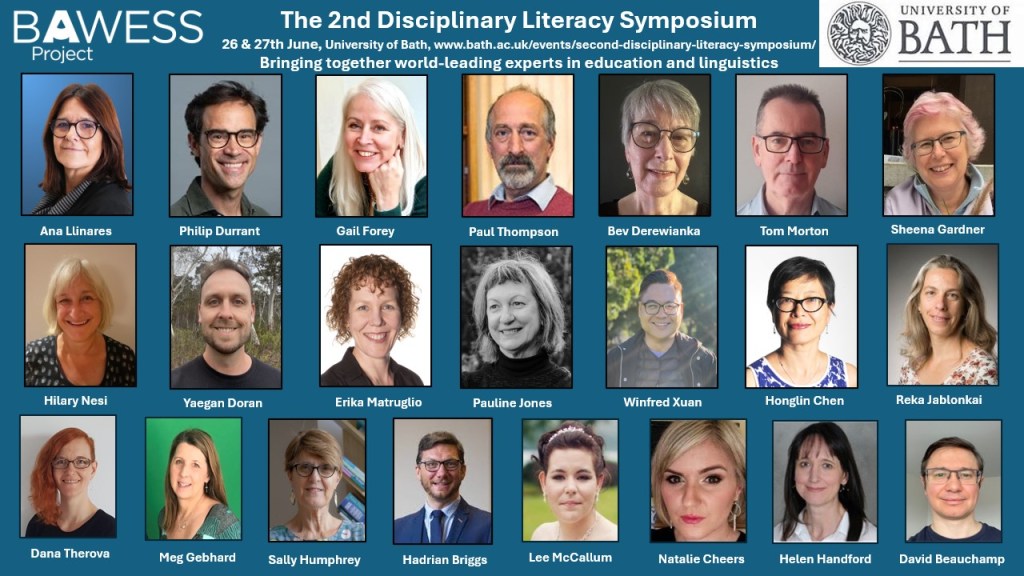
The BAWESS Launch Information Session for Schools join one of the three sessions on 10th, 11th or 12th June 2025 [Sign up here]. These meeting introduce the BAWESS Project and how you can get involved as a teacher/school. The aim of the BAWESS project is to understand writing development and disciplinary literacy in secondary schools during the exam years (GCSE, IGCSE, A Level and IB). We’ll share the aims of the project, what it means to be involved and the benefits of focusing on disciplinary literacy for learning and teaching.

The Second Disciplinary Literacy Symposium – please join us to hear about current research and approaches from leading researchers and teachers working in the field of disciplinary literacy!
Organised by the Disciplinary literacy & corpus-based pedagogy: The BAWESS project research team, this symposium offers a unique opportunity to engage with current research and pedagogical innovations in the field of disciplinary literacy. The event brings together teachers, researchers, educators, and linguists to explore key issues at the intersection of language, literacy, and subject-specific teaching and learning.
Presentations and discussions address a range critical topics, including:
- The literacy skills required for student success across different disciplines
- Disciplinary variation in student writing tasks
- The structure and linguistic features of extended exam responses
- Approaches to explicit writing instruction within subject areas
- Cross-disciplinary collaboration between teachers and researchers
- Professional development for teachers in disciplinary literacy
- Language and literacy expectations at the tertiary level
The symposium aims to foster rich dialogue, professional development, and collaborative exchange between researchers and practitioners. The event will provide time and space for discussion, reflection, and practical takeaway ideas – whether you’re new to disciplinary literacy or looking to deepen your expertise.
This is a valuable opportunity to hear directly from researchers and fellow teachers about the latest classroom-based research and practical strategies.
Whether you are a teacher, academic, or education professional, we invite you to join us for two days of thought-provoking sessions, networking opportunities, and engagement with cutting-edge work in the field. Come and connect with a growing community working to bridge the gap between subject teaching and literacy development.
We’ve tried to make this as affordable as possible. The symposium will cost £15 for the Thursday, £25 for the Friday (incl. lunch and refreshments), or £35 for both. We will also live stream the event at a cost of £15 registration.
How to register and the programme information can be found here. Registration closes 19 June 2025. Spaces are limited, so please book early.
April 2025. Exciting Beginnings: The BAWESS Corpus Project Has Officially Launched!
We’re thrilled to announce the start of the British Academic Written English Secondary School (BAWESS) corpus project! As a team of seven passionate researchers, we’re delighted to share our journey and first updates on this ambitious, funded initiative aimed at improving teaching and learning outcomes at secondary schools.
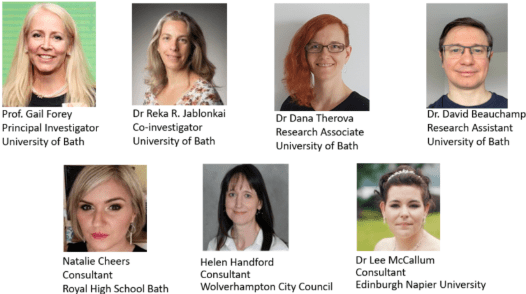
Supported by an exceptional advisory board of internationally recognised experts, our project aims to break new ground by developing the first discipline-specific corpus of secondary school student written texts in the exam years. This invaluable resource will be made publicly available online, empowering teachers, students, and researchers to explore learner writing in preparation for high-stakes examinations such as GCSE, IGCSE, A Level, and the International Baccalaureate (IB) across the curriculum.
Milestones Achieved So Far
We’re excited to share that the University of Bath’s Social Science Research Ethics Committee has approved our project, enabling us to begin engaging with schools for data collection. The response from schools has been encouraging, with several institutions—both within the UK and internationally—expressing interest in participating. Among our growing network are diverse schools, trusts, and independent organisations, united by their commitment to enhancing secondary school learner outcomes.
Get Involved!
The success of the BAWESS project lies in collaboration, and we’re currently welcoming new schools to join this exciting journey. If you’re interested in participating or know someone who might be, we’d love to hear from you! Please complete our online form or contact us at bawess@bath.ac.uk to learn more about how you can contribute to shaping the future of learner writing research.
Stay Tuned!
We’ll be sharing regular updates as we progress through this innovative research. From data collection milestones to insights from our findings, we’re looking forward to keeping you engaged every step of the way.
You can read more about our project here.
Let’s create something remarkable together!
The BAWESS Research Team
 Disciplinary Literacy